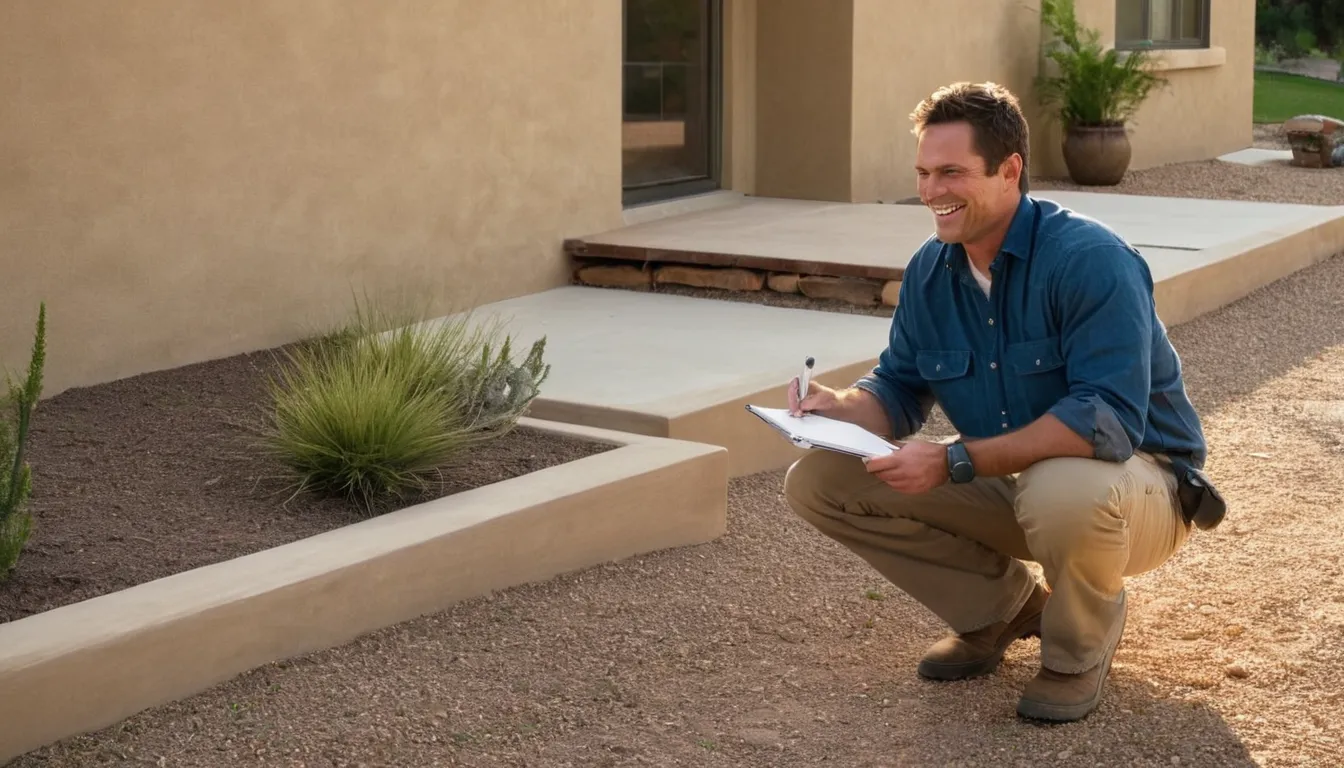
Finding signs of termites can make your stomach drop. Take a breath. This is a common problem for homes across the Ontario area, and it can be treated. The first step is simple. Write down what you saw, take a few photos, and leave the spot alone.
Boystudy Pest Control is a referral service. We do not treat homes. We connect you with independent providers in our network who handle termite inspections and treatment. You can compare their written estimates, ask your questions, and decide without pressure. There is no obligation to hire anyone. Keep your notes and photos handy, and the whole process gets easier.
Seeing Signs? Start Here
Maybe you found tiny wings on a windowsill. Or a thin dirt tube along the foundation. Take a breath. This happens to many homeowners, and it can be fixed. Your next small step is just to look closely and write down what you see.
Do These Three Things First
- Photograph anything odd. Put a coin next to it so the size is clear.
- Note the date, the room and what you noticed.
- Leave it alone. Do not spray, scrape or sweep it away.
Disturbing the spot can hide the clues a provider needs to identify the pest.
Why Prompt Attention Matters
Termites work out of sight. They eat wood from the inside, so damage can grow quietly for months. Acting sooner often means a smaller repair later. It does not mean rushing into the first offer you hear.
Know the Warning Signs
Some signs are easy to miss. Here is what to look for:
- Winged insects or piles of shed wings near windows and doors
- Mud-like tubes on foundation walls, slab edges or crawl space piers
- Wood that sounds hollow when you tap it
- Paint that bubbles or looks water-stained with no leak
- Tiny gritty pellets beneath small holes in wood
One sign is worth a closer look. Several signs together are worth a professional inspection.
What to Check in Stucco and Slab Homes
Stucco ranch homes can hide a lot. Tubes may run behind the stucco or through its joints. Slab homes can let termites in through small cracks near plumbing. If you have a raised foundation, the crawl space is a key place to look. Ask any provider to check it.
Types of Termites
Not all termites act alike. The type decides which treatment makes sense.
Subterranean Termites
They nest in soil and travel through mud tubes to reach wood. They need moisture, so winter rain events can make them more active near foundations.
Drywood Termites
These live inside dry wood and need no soil contact. Look for small pellets near tiny holes. They are common in dry climates.
Dampwood Termites
They prefer wet or rotting wood. If you see them, there is often a leak or poor drainage nearby.
How Termite Treatment Works
A provider usually starts with an inspection, then suggests a plan. Here are the common approaches.
Liquid Soil Treatment
A treated barrier goes into the soil around the home. It is often used for subterranean termites.
Bait Stations
Stations are placed around the property. Termites carry the bait back to their colony over time. It works more slowly, but it uses less liquid product.
Whole-Structure Fumigation
For widespread drywood activity, the home may be tented and treated with gas. You would leave for a few days. The provider explains how to prepare food, plants and pets.
Compare, Then Decide
Get two or three written estimates if you can. Line them up side by side. Look at the termite type, the areas covered, the method, and any follow-up visits. A lower number is not always the same job. Ask what is left out.
Questions To Ask Each Provider
- What type of termite did you find, and how do you know?
- Which method do you suggest, and why?
- What is covered if activity returns?
- Is there a yearly renewal, and what does it cost?
- How should I prepare the home?
Good providers answer plainly. You should never feel hurried.
Keeping Notes and Photos in Order
Make one folder, paper or digital. Add your photos, your dated notes, each inspection report and each estimate. Later, add the treatment records. This helps when you compare bids and when you talk with your insurer.
Some policies may cover sudden damage, but termite damage is often treated as gradual. Check your policy. Providers can often help document damage for a claim.
Termite Inspections for Home Sales
Buyers and lenders often ask for a written wood-destroying insect report. If you are selling, order it early. That leaves time to compare estimates if something turns up. If you are buying, read the report carefully and ask what was and was not checked.
Finding an Exterminator Near Me, the Calm Way
Searching for an exterminator near me brings up a long list. Termite work is a specialty, and residential pest control companies vary in what they handle. Boystudy Pest Control connects you with independent providers in our network. Always confirm each provider's license and insurance yourself. Request a callback to check provider availability.
After Treatment
Do not panic if you still see a few insects for a while. Activity can take time to fade. Leave bait stations alone. Keep your records, and ask when the follow-up inspection should happen.
Keep Moisture Down
Fix leaks and clear gutters. Keep soil and mulch from touching stucco or siding. Stack firewood away from the house. Dry wood is less inviting, and a yearly inspection helps you catch trouble early.
What's Included
Inspection Visit
A provider checks the foundation, crawl space, attic and framing, then explains what the signs mean.
Written Estimate
You get the method, the areas covered and the price in writing to compare.
Treatment Plan
Options may include soil treatment, bait stations, spot treatment or fumigation, based on termite type.
Follow-Up Checks
Many providers offer return visits or yearly inspections so you can confirm the problem is gone.
Typical Termite Treatment Costs
Prices vary by home size, termite type and method. These are typical U.S. ranges only. Always ask for a written quote that lists exactly what is included.
| Item | Typical range | Notes |
|---|---|---|
| Termite inspection | $75 – $300 | Some providers fold it into treatment. |
| Spot treatment | $200 – $900 | For small, local drywood activity. |
| Liquid soil treatment | $1,200 – $2,500 | Depends on home perimeter and slab. |
| Bait station system | $1,500 – $3,500 | Often includes monitoring visits. |
| Whole-home fumigation | $1,500 – $4,000 | Size and access change the price. |
| Yearly renewal or monitoring | $100 – $400 | Check what repairs it may cover. |
How It Works
Note What You See
Take photos, write down the date and place, and leave the area untouched.
Request Estimates
Ask for a local provider to inspect and quote in writing.
Compare Options
Look at method, coverage, follow-up visits and price side by side.
Choose and Prepare
Pick what fits, then follow the provider's prep instructions.
Why Call Boystudy Pest Control
Compare Without Pressure
See several estimates side by side and take the time you need before you choose.
Independent Providers
Providers in our network are local businesses that do the inspections and treatment themselves.
Organized Records
Notes and photos make estimates clearer and help if you talk with your insurer.
No Obligation
Requesting an estimate does not commit you to anything.
Other Services
Need termite treatment help in Ontario?
Tell us what you are seeing and where. Send the request form, and a local provider in our network can follow up with an estimate. No obligation.
No obligationTermite Treatment Help FAQ
How do I know if I really have termites?
Look for mud tubes, shed wings, hollow-sounding wood or tiny pellets. These can also come from other causes, so a professional inspection is the only reliable way to confirm. Photos and notes help the provider.
Can I treat termites myself with store-bought products?
Store products may handle a tiny, visible spot, but they rarely reach hidden colonies in walls or soil. Many homeowners get a provider's inspection first, then compare estimates before deciding what to do about the rest.
Does homeowners insurance cover termite damage?
Often not, because termite damage is usually seen as gradual. Some policies may cover sudden damage, so check your policy. Providers can often help document damage for a claim.
Get in touch
Tell us what you are seeing and where. Send the request form, and a local provider in our network can follow up with an estimate. No obligation.
No obligation